

EV vs. PHEV: What’s the Difference?
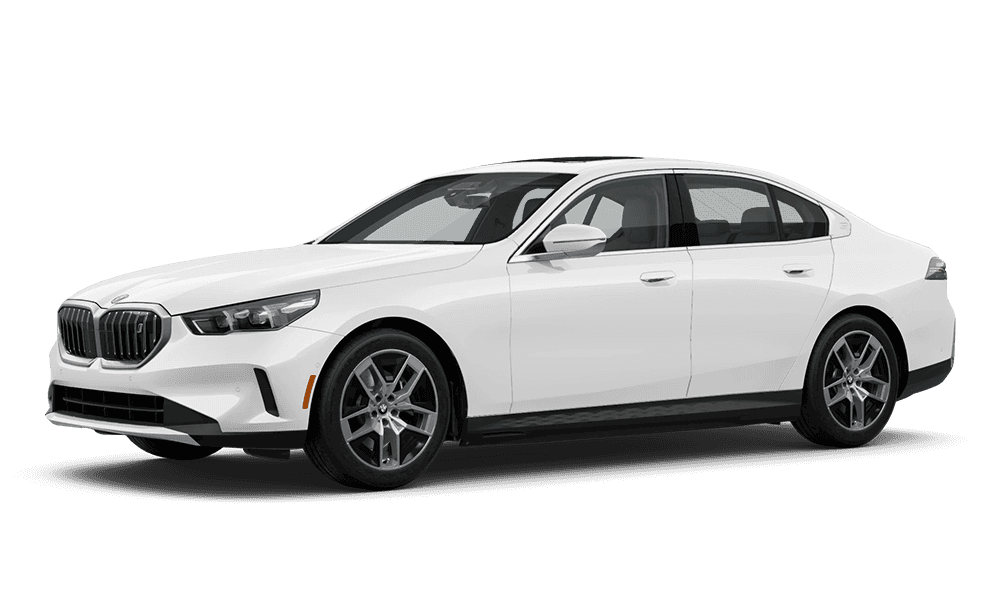 Nowadays, there’s a variety of EVs for sale. One of the first steps in finding the right one for your lifestyle and driving habits is understanding the fuel and charging differences between fully electric models and PHEVs (plug-in hybrid electric vehicles). Here’s what to know from the friendly experts at Casey BMW.
Fuel Source
Large batteries and electric motors power all-electric vehicles. Since they don’t have engines, they don’t require an ounce of gasoline and need to be charged at your home or a public charging station when the battery runs low.
PHEVs, on the other hand, run on both electricity and gas. They can be propelled by their battery and electric motor, by a gas engine, or with both systems working together. These models run on electricity until the battery runs down, and then the engine takes over. They’ll require occasional stops at the gas station to refuel, and the battery performs best when it’s plugged in for recharging (in contrast to a conventional hybrid, which doesn’t require plugging in).
Charging Details
Both EVs and PHEVs can be charged using a standard 120-volt household outlet (Level 1) or a more powerful 240-volt Level 2 charger, which can be installed at your home. Level 2 chargers are also commonly found at public stations. Since PHEVs don’t run entirely on electricity, a Level 1 charger suffices for most drivers. Conversely, all-electric models are better suited for Level 2 or Level 3 chargers, which are also known as DC fast chargers. Because these vehicles don’t have a gasoline backup, they need a bit more power to fully charge the battery.
Compare Electrified BMW Models in Newport News, VA
If you’re looking for PHEVs or EVs for sale, we’ve got you covered. Our impressive inventory includes luxury sedans and SUVs that run on both fuel types. Visit our BMW dealership in Newport News, VA, to pick yours out today!
0 comment(s) so far on EV vs. PHEV: What’s the Difference?